American Professional Society of ADHD and Related Disorders (APSARD)
Membership
Annual Conference
Webinars
Special Interest Groups
RESOURCES
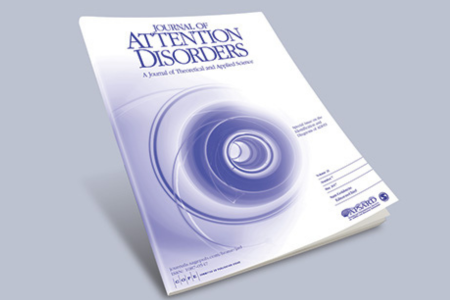
Journal of Attention Disorders

Webinars
The APSARD Webinar series was launched to provide ongoing professional education activities to further our mission of improving the quality of care for patients with ADHD

Mentoring Program (Members Only)
The APSARD Mentoring Program is led by the membership committee with the goal of matching professionals interested in mentoring and being mentored in the field of ADHD and related disorders.
WHO ARE WE

Committees

Board of Directors

Guidelines for Adults with ADHD
News & Updates
Ozempic May be a Secret Weapon Against ADHD
APSARD's Lenard A. Adler, MD is featured in a recent New York Post article exploring whether GLP-1 medications like Ozempic could influence ADHD symptoms. While early reports are intriguing, Dr. Adler explains why more research is needed before these medications can...
New Research Highlights ADHD Treatment Benefits Beyond Core Symptoms
A major new study for families with ADHD has been published in the Journal of Clinical Psychiatry. This article examines the complex comorbidities and the unique challenges presented by our patients in clinical practice. This study enrolled not only adults with ADHD...

APSARD Newsletter May 2026
The APSARD May 2026 Newsletter is now available! Click the button below to access.

APSARD Newsletter April 2026
The APSARD April 2026 Newsletter is now available! Click the button below to access.
Dr. Raman Baweja Discusses ADHD & Addiction Treatment Gaps
New data challenges clinical hesitation: Treating ADHD, even in patients with substance use disorder, may significantly reduce overdose, suicide risk, and death. Read more:...
Age at ADHD Diagnosis and Educational Outcomes
A recent study published in JAMA Psychiatry examines how the age at first attention-deficit/hyperactivity disorder (ADHD) diagnosis is associated with educational outcomes. Drawing on a large population-based cohort, the findings suggest that earlier diagnosis is...